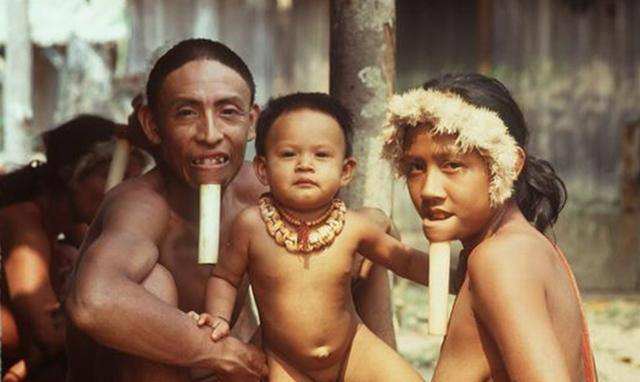
Death through the lens of the primitive human has rarely been seen as a process nearly as terrifying as we, so-called, civilised humans see it as. Unlike us, primitive societies rely heavily on different phases of life, meaning they accept not only the rituals that come with moving to the next stage of life, but also its consequences. They know what to expect for every phase of their lives, and they know what is expected of them. Death is known to be inevitable, and although they share the same survival instincts as modern humans, fearing and defending themselves against predators, they do tend to avoid dangerous activities that are pointless within their culture. Yet, they do not fear natural death the way that we do. They embrace it gratefully. Even though they know better than any modern human that we all rot away, and to the soil we return, they accept the process of death with more courage than those who believe in a paradise and a creator.
Modern human beings have gone beyond what is acceptable when it comes to modern medicine and scientific advancements. Modern people lack the ability to accept death as it is; it does not stop at being kept alive chemically, but also through machines. Many feel the need to keep someone’s body alive, even when that person would be dead without the machinery, and they are no longer functional. It is an anti-human cultural atrocity. The same person without the modern assistance would have died a natural death; as it should be, people would have mourned, and eventually moved on with life after collectively grieving. Instead, we delay the death of the human to keep them around, selfishly so. We do not respect their nature nor our own.
Human beings have been spending more money investing in the promise of immortality, which is not a concept embraced by the primitive communities. Modern humans are hiring medical professionals to dictate a diet and treatments (such as ice baths) to avoid death by natural causes, and some are now betting on blood transfusions from younger people in an attempt to remain youthful. Around six hundred people are cryogenically frozen as of this moment, or as they say “in cryonic suspension.” Many have signed contracts with companies that sell the transhumanist idea of being frozen post-mortem in order to be reanimated in a future where technology allows for their revival. The modern human is obsessed with immortality and ends up not living life fully.
Contradictionally, in the modern world, we have a suicide pandemic. Whether it is assisted or not, many people are choosing to commit suicide due to psychological suffering and economic issues. Modern medicine allowed for many people to survive what they should not have survived from the moment they are born, the consequence is human overpopulation, which leads to stress as we are meant to live within communities of no more than 150 people each. It also leads to economic issues that put people in a permanent state of survival.
Such a pandemic does not exist in primitive communities that have not been affected too harshly by modern civilisation. Primitive people, regardless of how accepting they are of the fate of death, they value life for as long as it is there. They do not have access to modern medicine, but they are experts on herbalism. Unlike many modern humans, they do not abandon their elders or leave them to be under the care of strangers; they respect and take care of them until the very end.
Currently, there are only two options for the future of the Planet and all of its beings: an anti-technoindustrial revolution or absolute human extinction. Each one would come about in different ways and affect people differently. I shall explore some of them in the following paragraphs.
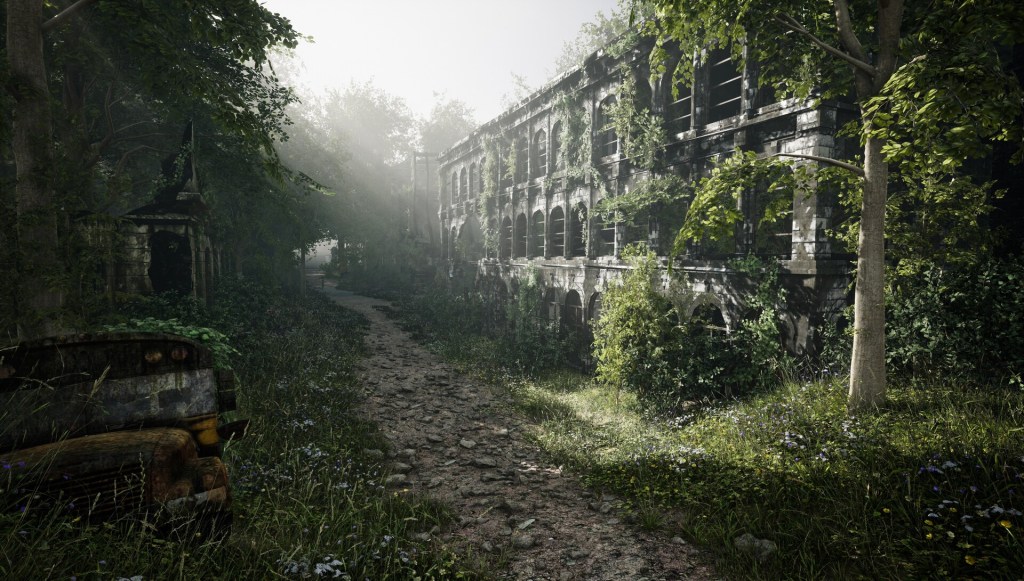
Beginning with the anti-technoindustrial revolution, it could entail a rapid change over a brief period, or it could be a revolutionary movement that would take a longer time to achieve the same goal: the destruction of all modern technology, the obliteration of industries, rewilding, and the development of small communities in a primitive setting.
Regardless of the methods used to achieve such goals, the number of persons alive would be significantly lowered, giving space for Nature to breathe. Mainly, people of the cities would struggle and have more difficulty surviving, especially if they have not put any effort into learning how to survive on their own. The people who decided to stay in cities that were, by then, destroyed beyond recognition, would suffer the most because of the disadvantage of not having land and fertile soil. They would depend on whatever food they could find within the remains of the cities, often leading to fights and killings over a bag of rice.
A well-coordinated revolution would target billionaires and technophiles before any other group of people who could be a danger to the movement itself and humanity’s future. The dirty rich would depend on their jets to reach their bunkers, which are mostly located in New Zealand. If chaos sets in before they reach their destination, they would be targeted individually. If they manage to successfully hide in their bunkers, it should be a goal for the revolutionaries to sabotage them from the outside if unable to penetrate the insides. Any entrances, exits, and hidden emergency vaults should be made unusable by using strong enough materials to block any chance of entry or exit. All bunkers should be assumed to be occupied.
People from the countryside would be more likely to survive, for there’d be more land for primitive permaculture to take place, easier access to animals, and facilitated creation of communities. Farmers who, nowadays, are overworked and poor, under the dominion of bosses who demand specific crops with little to no room for diversity, in the absence of these lords, the lands would be utilised for farmers’ needs and the needs of the community.
The primitive people of today would already be at a great advantage; little to no change to their lifestyles would be made.
From the very start, all members of the revolution should have four points of understanding:
1. Communities should be kept small since one has the capacity to deal with a life shared with a maximum of 150 persons.
2. Current primitive tribes should not be interfered with, and their territory should be respected.
3. New primitive communities should be created in territories that are not occupied and are not too close to another tribe. Each community should have a vast amount of land to hunt, fish, and perhaps practice primitive permaculture.
4. Each community would have its own culture, its own tenets, its own initiation tests, its own system of dealing with those who stray from the proposed project from the very start.
Any person attempting to keep any type of modern technology alive or actively working from scratch to bring it back should be sentenced to death.
Sources for survival should be natural. The revolution is against modern technology and industrialism; if successful, many people shall fall without the aid of what the revolutionaries seek to destroy and abolish. Civilisation as it is. The mission, from an anthropocentric point of view, is to recover humanity.
Bring Me The Horizon — Kool-Aid [Official Video]
In the beginning, the revolution would bring in a lot of chaos, regardless of how well-organised every revolutionary group is, and how much they coordinate with each other, the fall of the civilisation would target not only industrialism and technology, but also the economic system.
If we only speak of human beings, the goal is to achieve worldwide tribalism.
However, the revolution is far from being human-centric, since the techno-industrial society has been eliminating entire species mostly through its industrial activity, for example, with industrial agriculture.
Although veganism most often comes from a place of not wanting to do any harm to non-human animals, the push in this movement has created more significant deaths and extinctions due to the need to deforest and monopolise a field with one type of food, literally disrupting the ecosystem to the point it is uninhabitable by beings who belong there. They die if they depend on aspects of that system or are pushed into areas they are not inhabitants of, disrupting another ecosystem in the process. Many species have met their extinction due to agricultural practices.
All life is out of balance when one species is dominating every other.
The collapse of civilisation is inevitable, but how many species are we taking on our way back to humanity? The collapse is the only variable that keeps us from extinction; technology and industrialism harm human beings, too. We are victims of the side effects of the industrial-technological society on physical and psychological levels. Hopefully, we shall be aided by the revolution, which will guide us towards a healthier way of living in our natural habitats, respect the ecosystems that we encounter or benefit from, and keep up the attack on modern infrastructures. Everyone will have a role in the revolution. Without the aid of the revolution, life would still become far more primitive than what we are used to as of this moment. Our impact on other species and ecosystems would be minimised, and the impact on ourselves would also be lowered.
The only way civilisation can maintain itself from going extinct is by achieving an extreme form of transhumanistic worldview. The material body would be discarded as we plug ourselves into a virtual reality. The entire planet shall suffer so we can play escapism from life and death. Unfortunately, we have already taken steps towards transhumanism in minor ways, whilst modern technology has advanced far too rapidly, and industrialisation has reached the absurd.
However, transhumanism is a dead end. ALL RESOURCES ARE FINITE. By attempting to reach its extreme form, humans would make themselves extinct due to the damage it would cause. By reaching it, they become extinct, for they are no longer material beings; they are reconstructions of neuropathways in robotic form.
The good news is that it is far more likely that the civilisation will fall and that through one point in our destruction of the Earth, we become extinct before we achieve any sort of humanity based entirely on transhumanism.
The anti-industrial-technological revolution shall not be one of a political nature; it will not seek to overthrow governments but rather the technological and economic basis of the current civilisation.
The current techno-industrial system is destructive to all beings and environmental elements; it is not, nor should any of it be salvageable, for its nature is inherently harmful. The system is built so that it knows what it can afford to lose at any given time and what must be kept intact for its immaculate function. It knows that to maintain itself, it must wait for the exact moment to encourage reform in a manner that will appear as if it is beneficial, ethical, open to changes that at the time appear to be great, whilst practicing wickedness in the dark since the spotlight is right where it wishes it to be.
Seemingly small or huge so-called victories in reform are enormous failures to the natural order of the planet and its beings. Reforms work by momentarily blinding the public so as not to allow revolution to become an option in the mind of either the masses or the few.
Legislation and regulation are among the system’s safeguards designed to prevent the formation of revolutionary organisations and movements, whether underground or aboveground.
Protests and riots are most often ways for the public to release anger and frustration, to regain autonomy and control over its society, and to satisfy a human need to form a community of sorts. Rebellions may happen from time to time, but they, too, as chaotic and as easily suppressible, do not achieve success, much less a purposeful and significant change; in fact, more often than not, a rebellion backfires as the system introduces stricter and stronger reactions towards rebels and aspirant rebels.
Policing the rebel and revolutionary-minded becomes significantly more prevalent, attempts to find and infiltrate underground revolutionary groups suddenly become more pervasive, and the methods more sophisticated. The presence of authorities surrounding aboveground groups becomes the norm.
The policing of aboveground and underground organisations differs in intent and level of wit, planning, and mechanisms of action.
Aboveground movements are, by default, under surveillance:
The identities of those aligned with them are known. The creators, members, and sympathisers are not only on a list, but also are targets of heavy monitoring. The actions of aboveground movements are known to the public as well as their ideology and trajectory. The public and private conversations of the creators and members are closely monitored to establish any direct connection, indirect association, or link between them and any potential underground organisation, or any person suspected of being part of such a movement.
Underground organisations are meant to stay that way, however, there are some things one should consider:
The activities carried out by a particular underground organisation might lead the public to pay attention depending on the gravity of those actions; it might also be known by authorities without becoming known to the public. The danger lies in being found out and being oblivious to it. Authorities will either try to disintegrate the group before it acts, arrest members as they are properly identified, or infiltrate the group, acting on information gathered by remote spies.
A successful underground operation remains in the shadows.
Criticism of Theory of Evolution, highlighting the bias human beings have by considering themselves the superior species of all, the most intelligent, the most empathetic and the ones guaranteed to have a sense of self, consciousness; an agenda propagated by Religions, including that of Science.
Through Religion and dogma, spirits of Fauna and Flora, Goddesses and Gods of specific natural elements and landscapes and the Connection to Earth’s energies were substituted by Creationism, featuring a patriarchal figure who has final say on your life and on your death. The worship of such a God is installed through fear, submission and obedience, the language He speaks is not one to travel through the winds and spread its seeds throughout the world, no other species know of the existence of such God because he speaks only for humankind, leaving every other creation as resources rather than beings with full potential of consciousness.
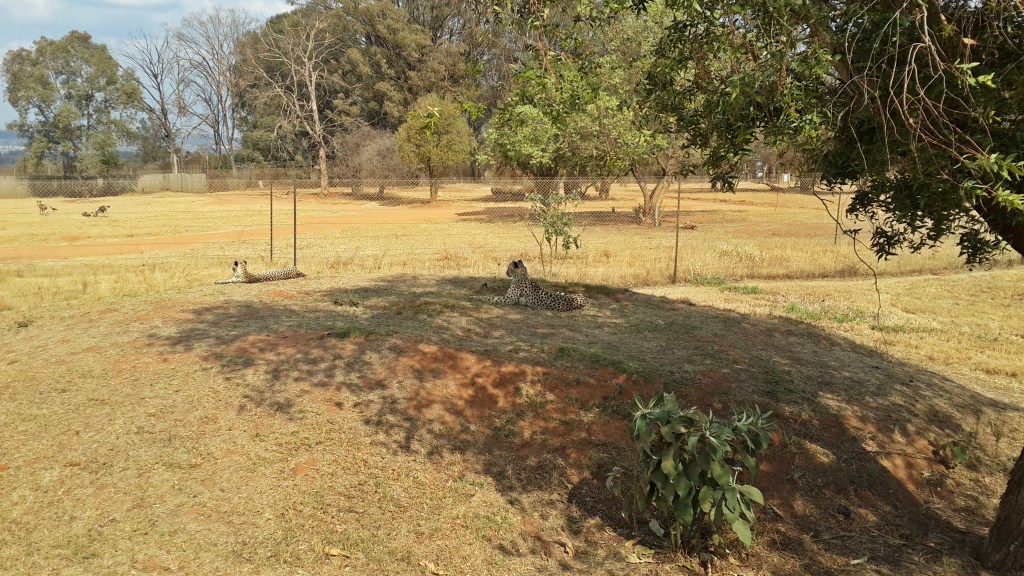
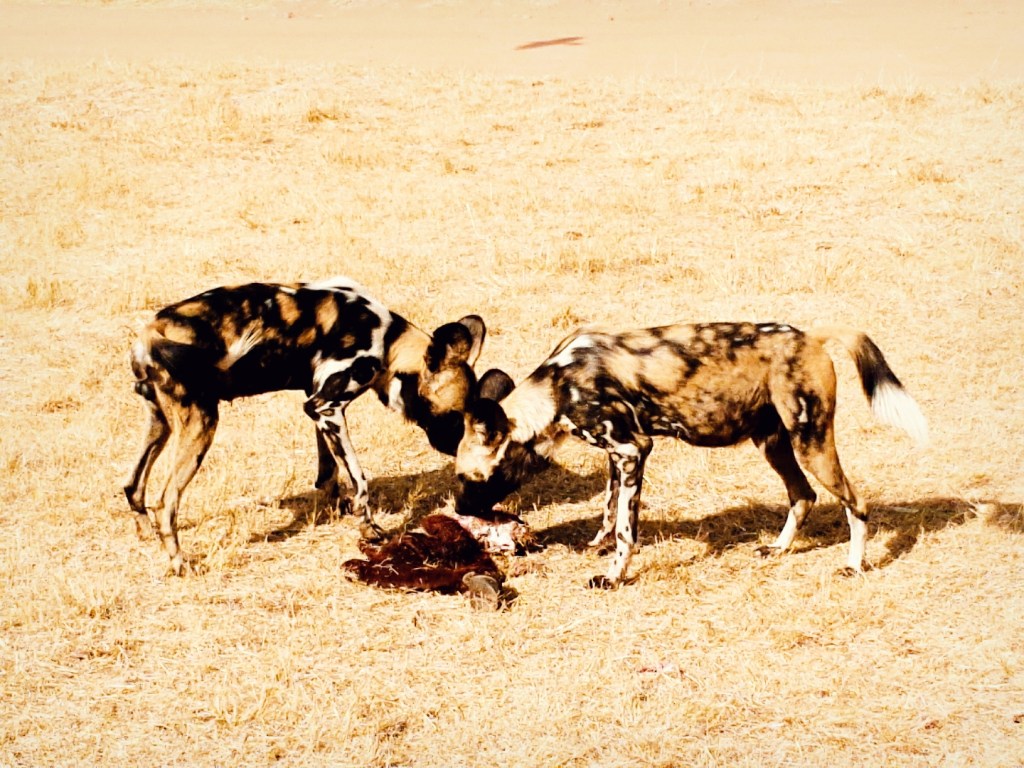
Lion Park, South Africa, 2016
Before there were any Gods and Goddesses, there has always been a maternal figure in the lives of humans, Her name is Mother Nature, its worship took place in our everyday lives and activities, its patterns allowed us to know how to utilise its parts in order to create what we needed from it without greed in mind, not from fear but out of respect.
Humans had a beautiful awareness of our fragility and our strengths based on how we interacted with other beings and the elements, we were inherently knowledgeable about the interconnectedness between all of which is living, from the lions, the spider-monkeys, the trees, the oceans, the mountains, the deserts, and so on; for all that exists is part of Mother Nature, including ourselves.
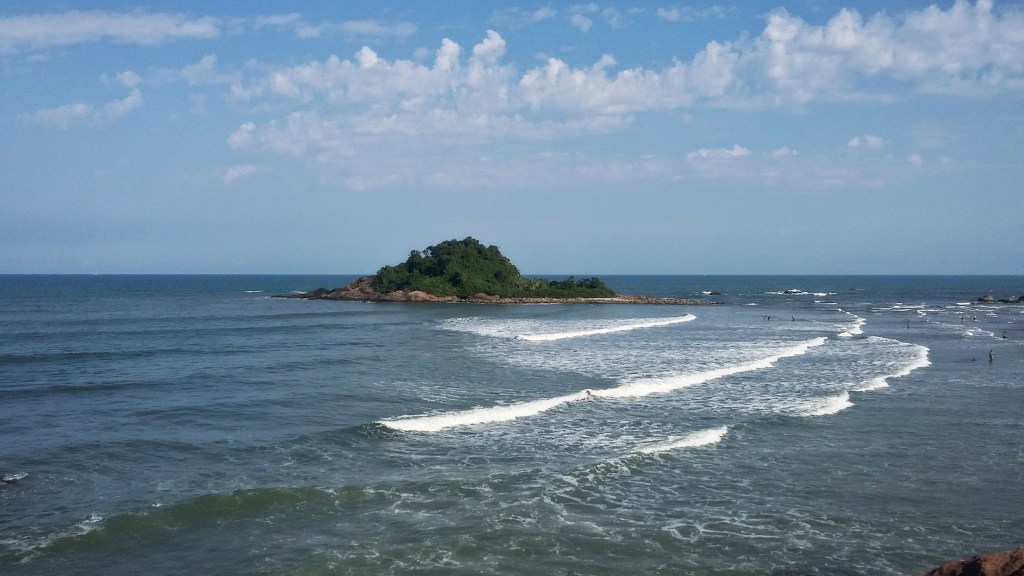
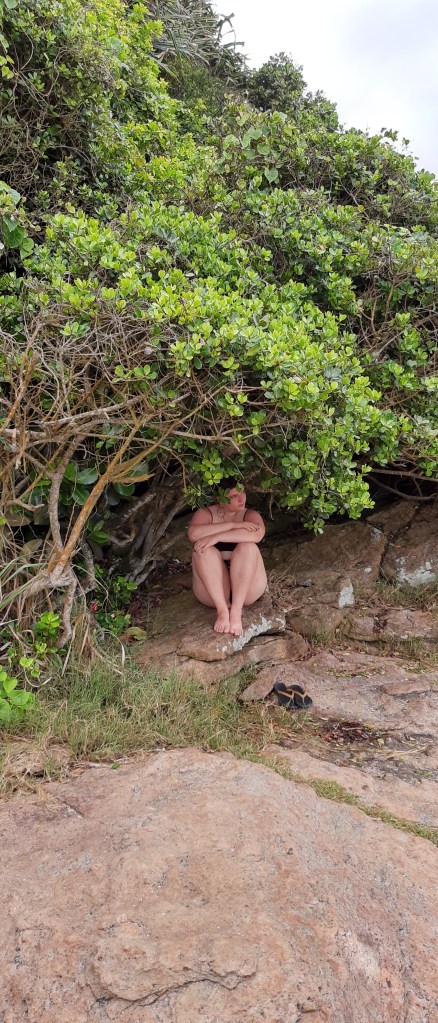
Itanhaém, São Paulo, Brasil 30/06/2018
The beings who could cause us damage and therefore fear, we respected and kept our distance as much as it was possible, if necessary for our survival and that of our community, those would meet death and be repurposed by us or by Nature itself. The beings who kept us alive, well-fed and warm were respected and none of their parts went to waste. Prey or predator, each being would be honoured by chants, rituals, dancing and offerings for we honoured their spirits; they lived within us and within our cultures.
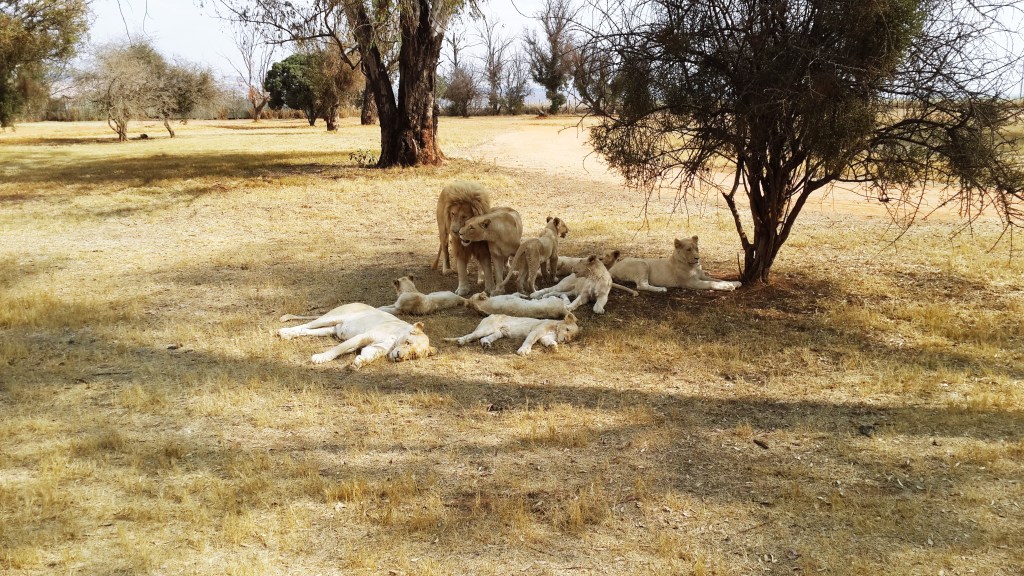
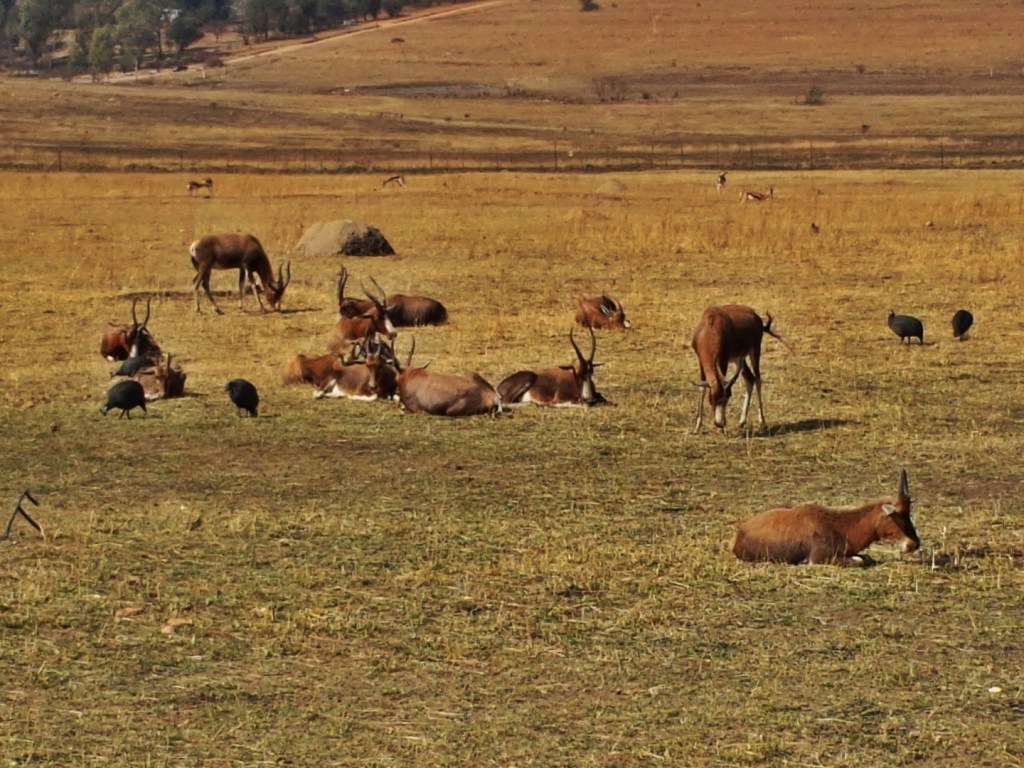
Lion Park, South Africa, 2016
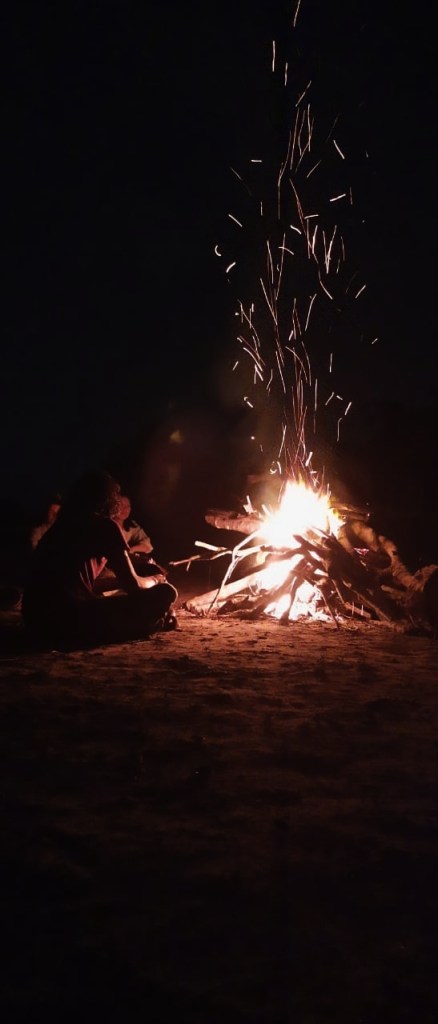
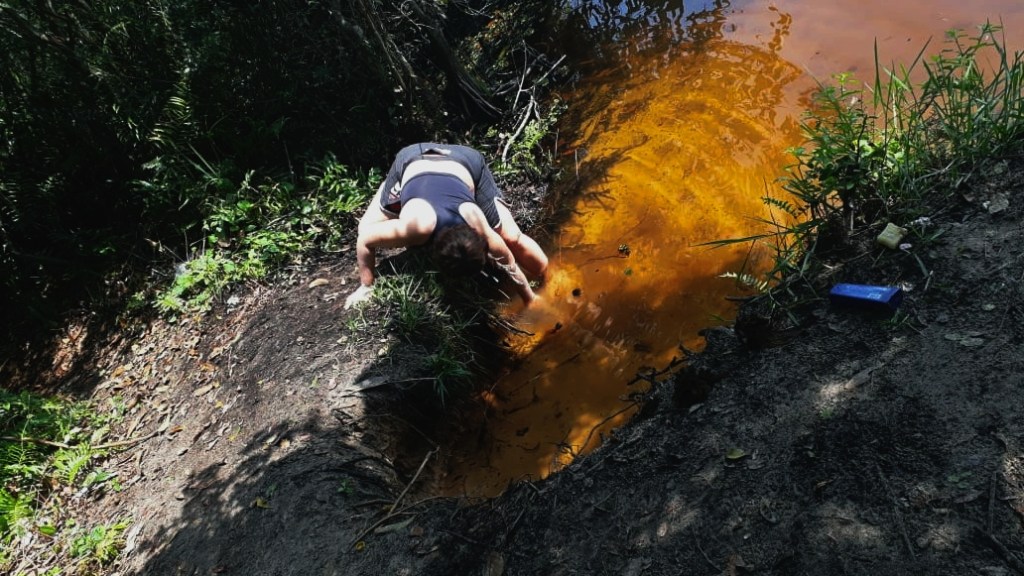
The elements were also treated with the utmost respect for they could not be tamed, their patterns could only be observed and our observations lead to us learning how to deal with them in a safe and beneficial manner. The river that offered us cleansing, food and water; the fire that offered us warmth and cooked meats; the mountain and cave that offered us safety and opportunity.
The rain and storm could have been scary at times but we respected them for the soil and rivers would benefit from it and so would the entirety of fauna and flora meaning we did too, for we associated the rain with the growth of all that is soil based and the lives of our preys depended on them having access to water, meaning more food, more clothing, more opportunity to create primitive hunting weapons, which unlike today required an extensive amount of knowledge and practice. We were not guaranteed success, but the lioness cannot always catch a gazelle.
Through the help of Industrial Revolution, Individualism, Capitalism and Modern Science we went from the past when various hypothesis and theories were considered options, such as mutationism, structuralism, catastrophism and so on to a point which any one who is not a creationist is made to feel ashamed if they do not believe in the theory of evolution; there is no longer space for research after what has been established as the scientific method gave the hypothesis a green light.
The main issue with the theory of revolution is its inability to take a biocentric view on itself, it fails to acknowledge the intelligence of Nature, natural beings and natural elements by themselves, instead, it compares their intelligence and mechanism of intelligence through which human beings operate by.
The theory of evolution through the anthropocentric eyes possesses a critical contradiction, because humans label their intelligence and abilities as superior but also recognises that each species has evolved to better fit its environment, therefore, humans are not above other species, because every species has evolved the type of intelligence and its mechanisms to better suit their environment and therefore are perfect in their own ways.
Lion Park, South Africa 2016
Those who preach about the theory of evolution are far too focused on the “survival of the fittest” and the aspect of competition as a means of evolving, entirely leaving out the inherent aspect of cooperation which is far more dominant in humans in their natural habitats. Therefore, we praise the selfish and greedy instead of the empathetic and generous amongst us.
A vast majority of human beings have abandoned their natural habitat and have little to no knowledge as to how to survive within it. In fact, instead of evolving within our natural habitat we have adapted to survive in a mechanical, artificial and industrialised setting that is fragile and very close to crumbling down to dust, leaving humans defenseless and lost. How does that translate into superiority?
Human beings are trapped in a technocentric system, introduced, maintained and rapidly evolving by the ones who hold power over the masses, whether by scientific discoveries, politics or economic superiority. The masters of the world benefit the most whilst making the rest of the world bow down to their creations and stay silent about their destruction upon Earth and all Earthlings, including ourselves.
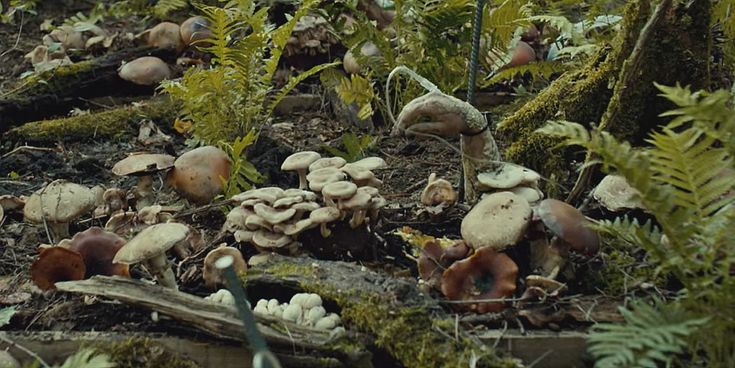
After the collapse of civilisation the ones who are most likely to survive are the ones who have never abandoned their natural habitat and culture, perhaps farmers alongside people who have practical knowledge on how on to deal with fauna, flora, and the elements, including the natural healing powers of each plant, grass, flower, tree bark, mushroom, and so on.
Itanhaém, São Paulo, Brasil 20/01/2020
The people of the city, the billionaires and the scientists themselves would crumble down alongside the system. The uninterested and ignorant about their natural habitat, dependable on modern advances would become extinct, finally, leaving space for the actual superior human beings in comparison to them to thrive and once again, worship Mother Nature through every day actions.
Then and only then will the ecosystems of the oceans, rivers, waterfalls, forests, jungles begin to heal alongside the now polluting air and rain. The animals at the brink of extinction would return to their natural habitat, a home to live in harmony with Nature by having access to clean, abundant water and food that is natural to them.
Only by the destruction or crumbling down of the current techno-industrial system alongside purposeful rewilding would biocentrism stop being viewed and experienced as theoretical and philosophical, but in fact a practical, material reality. That is the single framework that is acceptable and very much needed for peace within the balance of harmonious living achieved by all Earthlings.
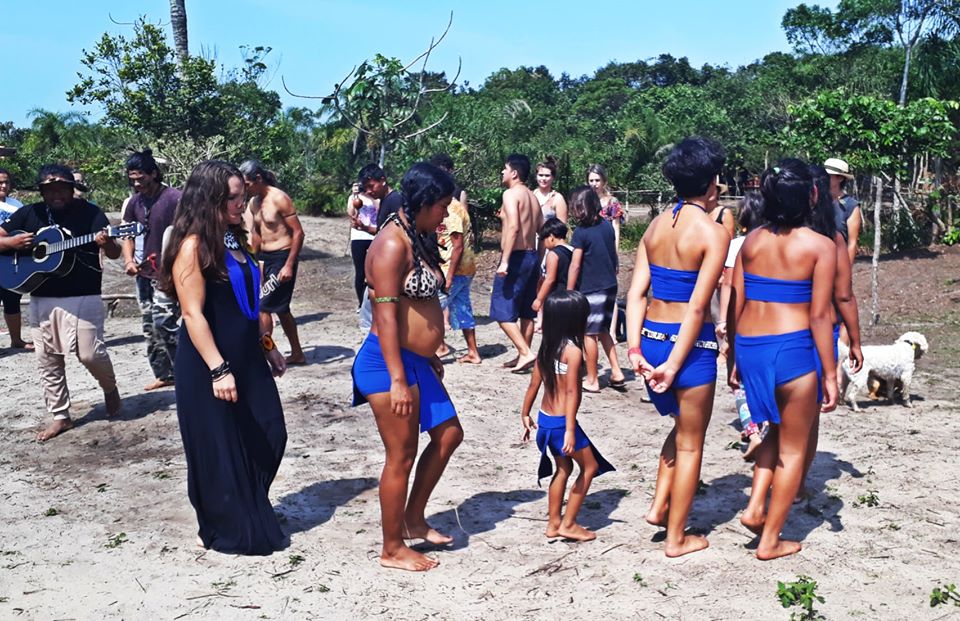
Tapirema tribe located in Peruíbe, São Paulo, Brasil 2019
The System and the Illusion of Choice
We are obligated to identify with the system we live under to survive. The current system is inherently individualistic. Rarely do we identify with others in modern society, precisely because it is extremely individualised, and we are only able to identify with those who share our traits and tastes. We are unable to connect with those unlike us, much less see ourselves in them.
The difficulty with identifying with those of another class is great (either it might be financial, racial and so on), however, although we differ in these ways that create greater distance between us, in an industrialised and globalised society, many other factors can be taken into account to the point we are micro-individualised. We differ in our taste and access to music, films, books, trees, food, all belongings and knowledge.) In a tribalistic community we are likely to listen to the same music for they are made by us or the ones before us, we are likely to be able to identify the same types of trees, flowers and mushrooms depending solely on what location we live in, we eat the same food for it is hunted or gathered in groups or with the group in mind, we are likely to own the same basic items — with the main differences being dependent on the sex of the person and stage of life, we are likely to have the same basic skills.
In a tribalistic society, we depend on the same technical knowledge to survive; one may be more skilled with a spear than with the arrow and bow, but s/he will be taught the basics nonetheless. S/he may enjoy playing a certain instrument more than the others, but s/he will either know the basics of all others or play accompanied by the community.
The point is that there are fewer categories and all of them are explored as baseline knowledge, which is not doable in modern society.
Globalisation did bring people closer to each other in the physical sense, but have divided them, reinforcing the sense of the self. We are currently far removed from activities which depend on a tight community. When they happen it is due to specific shared interests — liking the same band or book — obligation — socialisation at work, school, university — or location (neighbourhood meeting). The system we identify with is highly individualistic; the more progress is created, more categories are made, more division takes place. The fragmentation and dispersion of culture degrades it causing us to be more dependent on the system, as our one shared similarity.
Under industrialisation and globalisation, even neighbours do not share the same base knowledge as each other. The two things we share with certainty are our neighbourhood and conformity to the system, which is not based on culture. We are left with subcultures only.
We have been made to be so disconnected from each other that not even the nuclear family has survived the division created by the system.
Whilst in a tribalistic society it is to be expected that the nuclear family will inhabit the same land, wander the same wilderness, shower in the same river, eat the same food, dress alike, listen to the same music, do most activities with each other or in the same area, in the industrialised, individualistic society the daily life of each member of the nuclear family is spent far away from each other (perhaps overseas) and is consistent of extremely different activities, each of them have had a different upbringing and have different taste in entertainment, food, clothes, etc.
We are not freer in industrialised society, we simply have more options — the illusion of choice.
7th of September 2019
In order to survive current society, we must act in accordance with the system we are born under. We have non-significant participation in its creation, rules and progress on an individual basis yet must accept it as our only possible reality. It cripples us of knowledge on wilderness survival so we are dependent on its existence and continuation.
Although we may consider modern democracy to be superior to dictatorship, the difference is much less tangible than it is perceived by citizens when we speak of freedom, we possess the illusion of choice and therefore consider ourselves fortunate.
For a person to satisfy the most basic need, which is to eat, one is obligated to travel far from their loved ones, often outside one’s neighbourhood so they can work an excessive amount of time completing meaningless tasks that only matter in the context of an industrialised society, one depends on working to receive currency by the end of the month — removing any hope for instant gratification from the work done —, they spend such currency on transportation to buy low quality products.
In tribal communities one has access to the living forest and the knowledge, the skill to hunt and how to identify edible fruits, mushrooms, etc. These are most often group activities done with your community, strengthening bonds. Not strangers you are obligated to be polite to so you can continue feeding your family.
So to be fed, clothed and housed one must work, the system only works if you work for it. Its terms are heavily conditional.
Human beings are not born with or bound to develop such concepts. It is not nature’s way of gifting humans superiority over other species, nor its way of allowing us to become aware of such superiority through the evolutionary process by natural selection. Unnatural concepts to the human experience. Needless for harmonious coexistence.
For most of our existence on the planet, as we coexisted in small communities, any type of leadership was only established for the benefit of all. A tribe shared the same territory, which dictated diet, lifestyle, and therefore, culture. Any proposition by a leader was accepted by all, for it was common-sensical for the circumstances they found themselves in; there was no need to be made into a rule, a law.
In the community, we are one.
In a shared territory, separation is only possible if a person or a group of people make use of physical or intellectual traits to purposefully benefit more than others to such a degree that they achieve control of the land and its inhabitants.
From that moment, they have created and are in control of the system that the community will live under. The rules and choices shall always be beneficial to them and usually appear beneficial to others, the majority or most influential individuals; such will be applied through force or manipulation.
The division between the members of the community and family units is further encouraged if more than one person or group of people attain around the same amount of power over the people.
The words I mentioned, the meaningless concepts, are created and given meaning by whichever system is established in a territory at a point in time, by the ones who benefit the most. In a society where more than one person or group manages to attain such power and control over the majority, different meanings and concepts are attached to such words, so individuals are inclined to be further separated from one another, communities dissipate, and family units are divided.
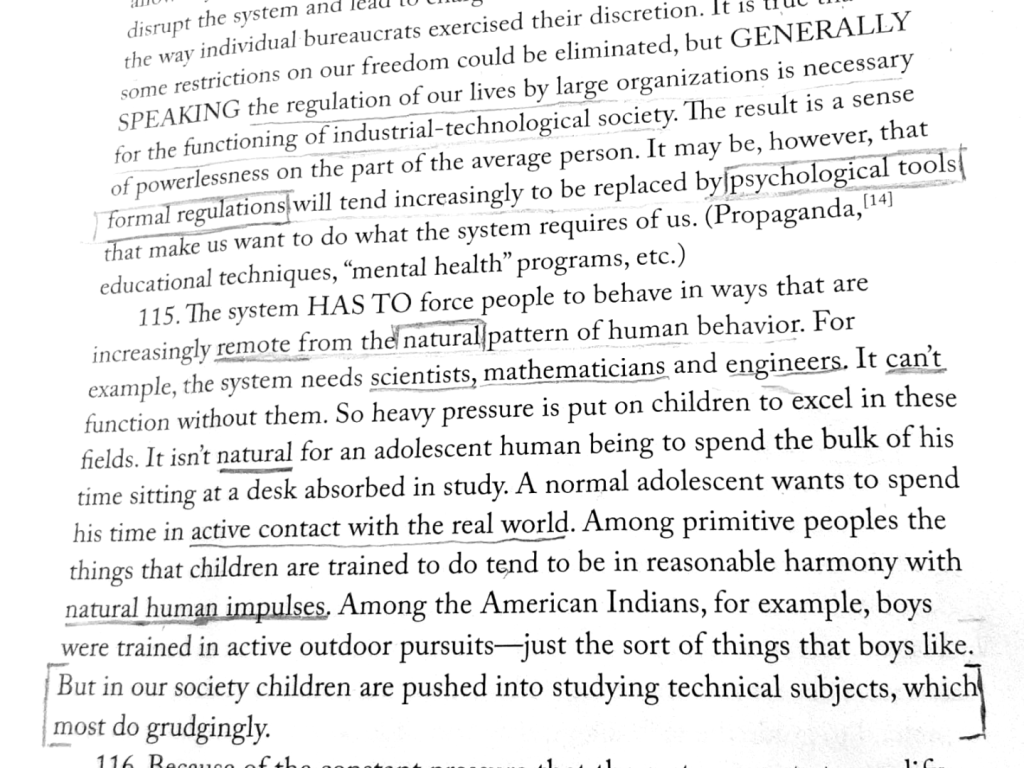
[Industrial Society and its Future — 114-115, Theodore John Kaczynski]
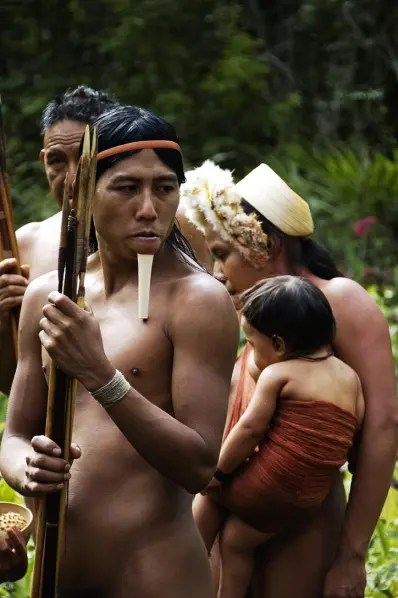
The Zo’é tribe lives in the Amazon rainforest in northern Brazil, Pará. Its society is based on egalitarianism with no formal leaders. They are highly critical of capitalistic practices. They practice polygamy, when both men and women can have multiple partners.